.webp)


.webp)
Counter-UAS readiness for corporate, commercial, venue, maritime and private environments.
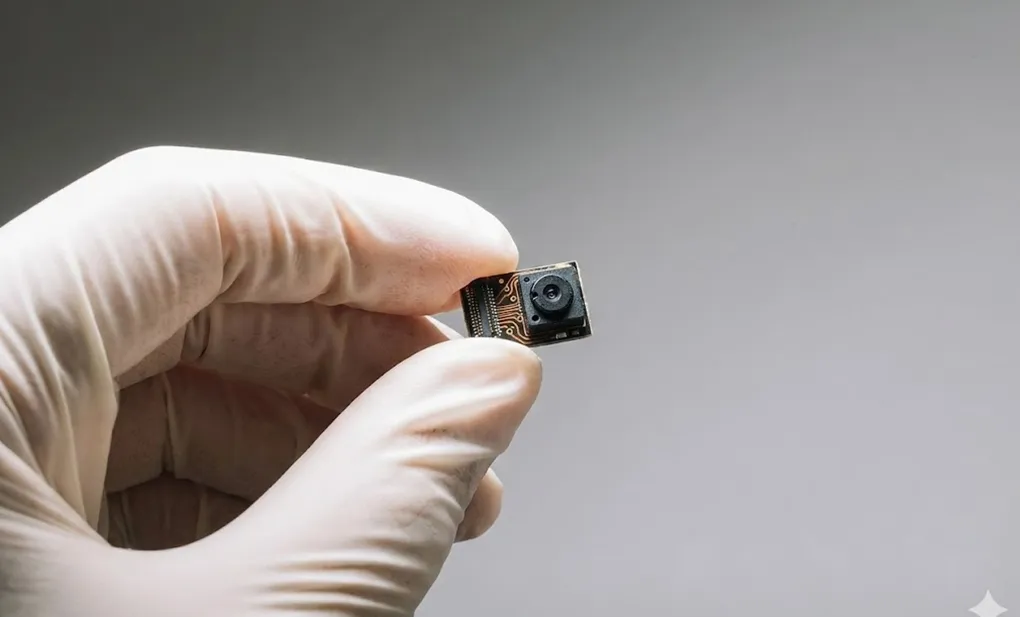
The same access that makes drones useful also makes them a tool for corporate espionage. A drone over a research facility, a boardroom window or a staff car park can photograph documents, track movements, map routines and identify individuals, all without stepping onto the site. Counter-UAS Advisory gives organisations the early warning, procedures and response framework to protect intellectual property, staff and operations from aerial intrusion, within the limits of what UK law allows.
clients
Who this is for


Corporate Security & Facilities
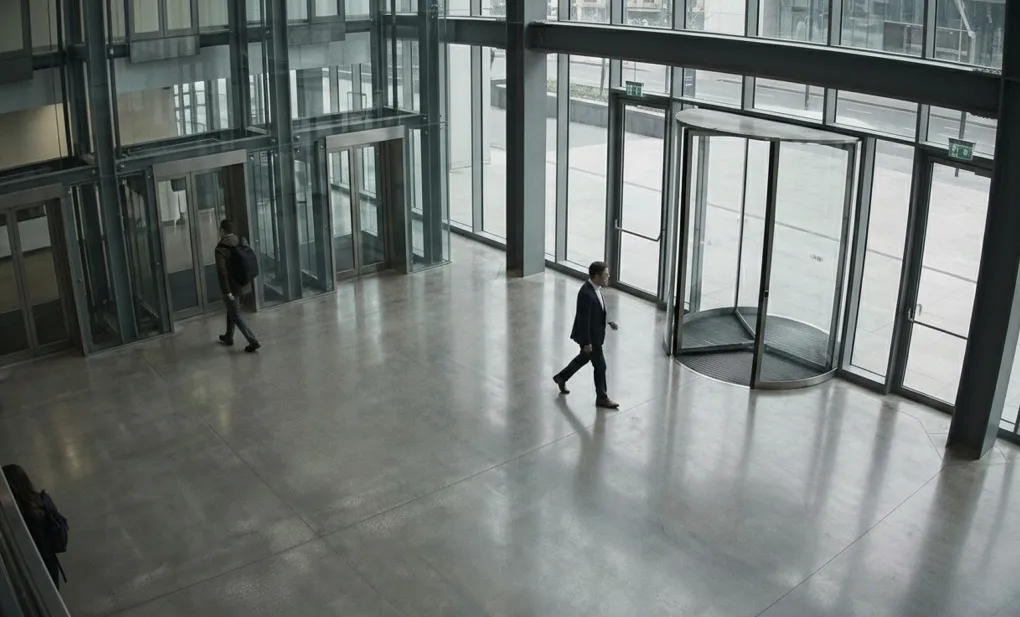
Sites where intellectual property, sensitive meetings or senior staff could be observed from the air. A drone does not need to breach a perimeter to photograph a whiteboard, record a conversation through a window, or identify people arriving and leaving. Counter-UAS planning treats those risks seriously.
Venues and event operators
Stadiums, arenas and event sites that cannot physically stop a drone, but are expected to show they have thought about and planned for aerial threats, including under Martyn's Law.
Private estates and family offices
Properties where privacy, routine and family movements matter, and where a drone over the estate needs more than an informal "wait and see" response.
Maritime and port operators
Ports, terminals and vessels that need clear procedures for sightings, logging and police liaison when drones appear over working areas or alongside ships.
What you receive
What you receive
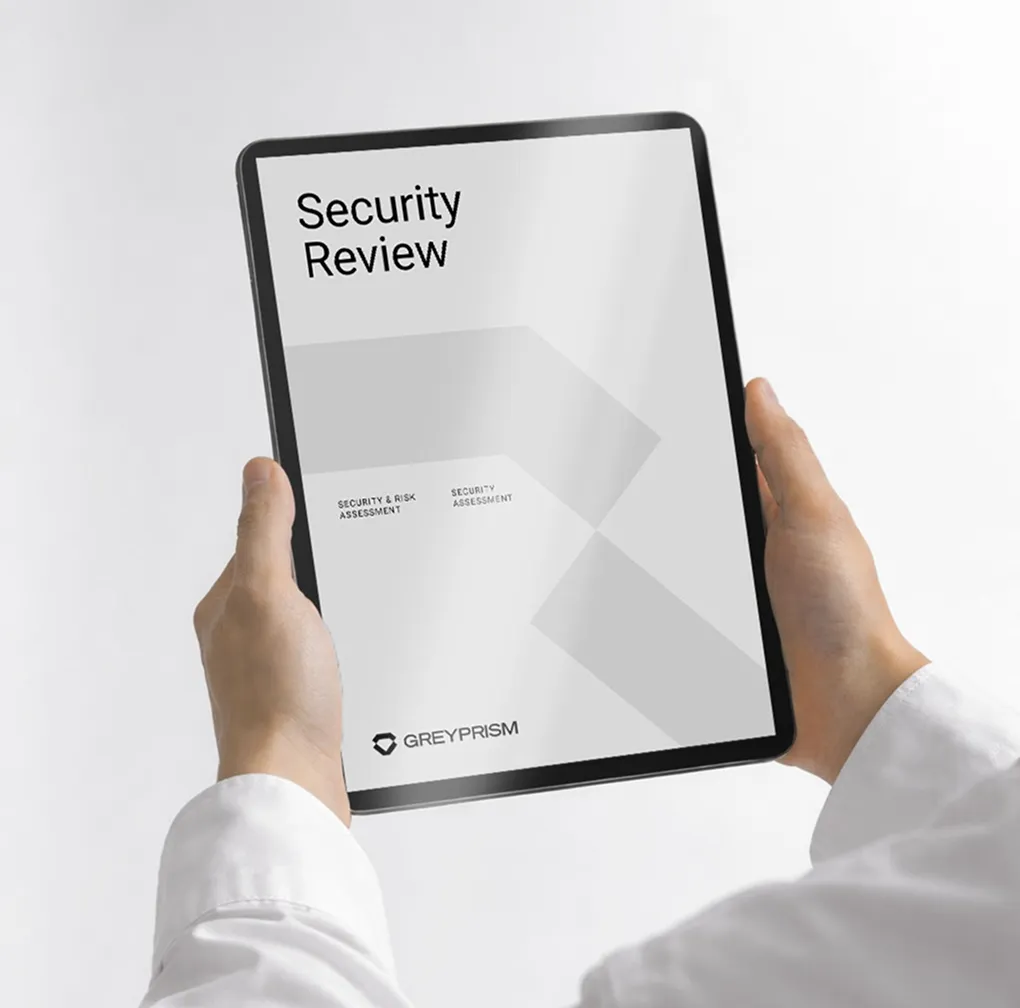
Every engagement is built around what your site can realistically face, and what your teams will have to do on the day.



How it works
How an engagement works

01
Initial discussion
A conversation about your environment, existing procedures, any technology already in place and what has prompted concern about drones. This sets the scope and priorities.
02
Threat and vulnerability work
Assessment of how drones could realistically be used against you and how exposed you are today. That picture shapes whether the emphasis is on planning, training, technology or all three.
03
Plan and playbook design
Grey Prism designs or refines the framework across three stages: detection, reaction, documentation. Detection covers what is watched for, how sightings are confirmed and how early warning reaches the people who need it. Reaction covers who decides what, how staff and operations are protected in the moment, and how police are engaged. Documentation covers the record made at the time and afterwards, because the value of the response is only as durable as the evidence it leaves behind. The whole framework is built within the legal constraints that apply in the UK.
04
Exercise and refinement
The plan is tested through a scenario exercise and, where appropriate, a physical penetration element. The results are used to refine procedures, training, logging templates and, if relevant, technology choices, so the plan improves before it is needed for real.
why grey prism
Grey Prism combines strategic advisory, intelligence capability, and discreet operational support to help organisations manage risk with clarity and confidence.

Built around the legal reality
UK law reserves active counter-drone measures for police and government agencies. Jamming, signal disruption and physical interception are off the table for private organisations. Plans are built around what you are actually permitted to do: observe, record, use passive detection, follow documented procedures and work with the police. That legal constraint shapes every recommendation.

Clear tools for front-line teams
The outputs are designed for the people who will be dealing with a drone in real time: control-room operators, duty managers, supervisors. The playbook is written in plain language so it can be followed under pressure, tested through exercises, and updated as the environment changes.

Informed by aerial assessment, not theory
Where relevant, counter-UAS work draws directly on aerial assessments of the site itself. Planning is based on how your environment really looks and behaves from the air, the approach lines a drone would use, the positions it could reach and the areas it could observe. That makes the threat scenarios specific rather than generic.

Operational experience behind the planning.
The team designing your counter-UAS framework draws on backgrounds in UK Special Forces, military intelligence and specialist police units. That experience is applied to the procedural and planning side of drone defence, making sure the response framework holds up under the kinds of pressure real incidents create.

Proportionate to the threat
Every engagement is scoped around what your site could realistically face. A corporate headquarters, a private estate and a major public venue each require a different response framework. The work is sized to match the environment and the threat, with recommendations that earn their place.
FAQs
Frequently asked
questions
Can we jam or bring down a drone ourselves in the UK?
Active counter-drone measures such as jamming, signal disruption and physical interception are reserved for police and government agencies under UK law. Private organisations work within different constraints, which is why the emphasis is on detection, documentation, procedures and police liaison.
So what can we actually do?
Watch, document, gather evidence, use passive detection, follow an agreed procedure and liaise with the police. Counter-UAS Advisory puts that procedure in place and makes sure your people know how to follow it when it matters.
What does a typical counter-UAS engagement produce?
A site-specific threat and vulnerability assessment, a detection and response playbook for control rooms and duty managers, a technology options note where detection equipment is relevant, and a tabletop exercise pack to test the plan against realistic scenarios. Aswell as a physical penetration activity to test the plan
Is this suitable for venues preparing for Martyn's Law?
Yes. Venues and event operators can use counter-UAS planning as part of demonstrating that aerial threats have been considered within their broader security planning. The documentation is written to support that requirement.
What detection technology do you recommend?
That depends on the site, the threat and the budget. The technology options note covers RF detection, acoustic sensors, optical systems and combined platforms, explaining what each does, where it fits and what is likely to suit your environment. Radar is included only where it is legally available to the client, which in the UK is limited to large corporate and government settings holding the required licence. Technology is tied back to the plan rather than purchased in isolation.
How does this relate to aerial intelligence work?
Counter-UAS Advisory prepares your team for the day a drone appears uninvited. Aerial Intelligence shows you what your site already reveals from the air. The aerial assessment directly informs the counter-UAS planning, because it shows the approach lines, positions and observation points a hostile drone would actually use.
How long does an engagement take?
It depends on the scope. A single-site assessment with playbook and exercise might take two to three weeks from initial discussion to delivery. Multi-site or complex environments take longer. Every engagement is scoped in advance based on the site and the requirement.
If a drone appeared today, would you be ready?
services




.webp)